
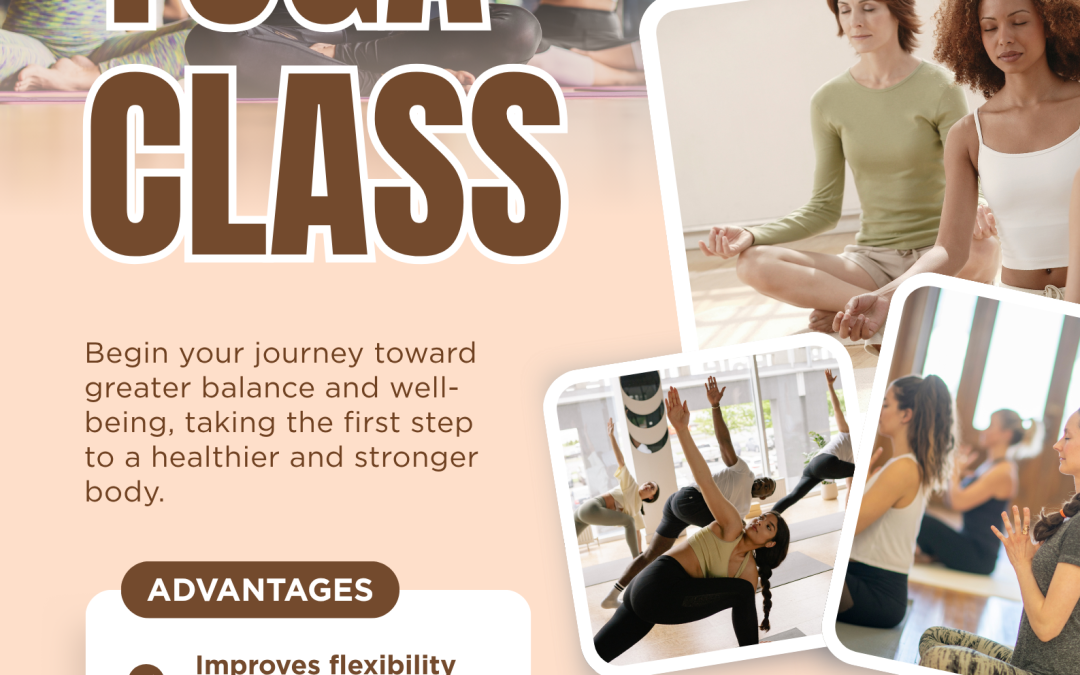
Yoga Classes: Improve Flexibility, Strength, and Inner Balance
Introduction
Yoga is more than just physical exercise — it is a complete mind and body practice that improves flexibility, strength, posture, breathing, relaxation, and mental well-being. Yoga classes provide a peaceful and supportive environment where people of all fitness levels can improve both physical and emotional health.
Whether your goal is stress relief, improved mobility, better fitness, or overall wellness, yoga can help create balance in your daily life.
With regular practice, yoga helps strengthen the body, calm the mind, and improve overall quality of life.
What Is Yoga?
Yoga is a practice that combines:
- Physical postures
- Controlled breathing
- Stretching
- Meditation
- Mindfulness
Yoga focuses on the connection between body and mind while promoting overall health and relaxation.
Benefits of Yoga Classes
1. Improves Flexibility
Yoga stretches muscles and improves range of motion over time.
2. Builds Strength
Many yoga poses strengthen the core, legs, arms, and back.
3. Reduces Stress
Breathing exercises and mindfulness help calm the mind and reduce anxiety.
4. Improves Posture
Yoga strengthens posture-supporting muscles and body alignment.
5. Enhances Balance and Coordination
Regular practice improves body awareness and stability.
6. Supports Mental Wellness
Yoga promotes relaxation, focus, and emotional balance.
Types of Yoga Classes
Hatha Yoga
A beginner-friendly yoga style focused on basic poses and breathing techniques.
Benefits:
- Improves flexibility
- Builds body awareness
- Reduces stress
Vinyasa Yoga
A dynamic yoga style that connects movement with breathing.
Benefits:
- Improves fitness
- Increases endurance
- Enhances flexibility
Power Yoga
A more intense and strength-focused yoga workout.
Benefits:
- Builds strength
- Burns calories
- Improves stamina
Restorative Yoga
A relaxing yoga style focused on recovery and stress relief.
Benefits:
- Promotes relaxation
- Reduces tension
- Supports recovery
Yin Yoga
A slow-paced style that targets deep connective tissues and flexibility.
Benefits:
- Improves mobility
- Enhances flexibility
- Encourages mindfulness
Beginner Yoga Classes
Yoga is suitable for beginners of all ages and fitness levels.
Beginner-Friendly Focus:
- Basic poses
- Breathing control
- Balance improvement
- Flexibility exercises
- Relaxation techniques
No previous experience is needed to start yoga.
Common Yoga Poses
Downward Dog
Helps stretch the hamstrings, shoulders, and back.
Child’s Pose
A relaxing posture used for recovery and stretching.
Warrior Pose
Builds strength, balance, and stability.
Tree Pose
Improves balance and concentration.
Cobra Pose
Strengthens the back and improves posture.
Yoga for Stress Relief
Yoga is highly effective for reducing stress and promoting mental calmness.
Stress-Relief Benefits:
- Deep breathing relaxation
- Reduced anxiety
- Improved focus
- Better emotional balance
- Enhanced sleep quality
Mindful movement and controlled breathing help relax the nervous system.
Yoga for Fitness and Weight Loss
While yoga is calming, many styles also improve fitness and support healthy weight management.
Fitness Benefits:
- Increased muscle tone
- Better flexibility
- Improved endurance
- Core strengthening
- Calorie burning
Power yoga and Vinyasa yoga are especially effective for active fitness goals.
Importance of Breathing in Yoga
Breathing techniques are a major part of yoga practice.
Benefits of Controlled Breathing:
- Improves relaxation
- Increases oxygen flow
- Reduces stress
- Enhances focus
Breathing and movement work together to create a balanced yoga experience.
Yoga and Recovery
Yoga can support muscle recovery and injury prevention.
Recovery Benefits:
- Reduces muscle stiffness
- Improves circulation
- Enhances mobility
- Supports relaxation
Many athletes include yoga in their fitness routines for recovery and flexibility.
What to Bring to Yoga Class
Recommended Items:
- Comfortable workout clothes
- Yoga mat
- Water bottle
- Small towel
Wear clothing that allows easy movement and stretching.
Tips for Beginners
Start Slowly
Focus on learning proper posture and breathing.
Listen to Your Body
Avoid forcing difficult movements.
Stay Consistent
Regular practice improves results over time.
Focus on Breathing
Controlled breathing enhances relaxation and movement.
Be Patient
Flexibility and balance improve gradually.
Yoga at Home vs Studio Classes
Home Yoga
Advantages:
- Flexible timing
- Comfortable environment
- Convenient
Challenges:
- Less instructor guidance
- Easier distractions
Studio Yoga Classes
Advantages:
- Professional instruction
- Group motivation
- Better focus and structure
Challenges:
- Travel time
- Class schedules
Both options can provide excellent benefits depending on personal preference.
Common Yoga Mistakes
1. Comparing Yourself to Others
Yoga is a personal journey.
2. Holding Breath
Breathing should remain steady and controlled.
3. Pushing Too Hard
Avoid forcing flexibility beyond comfort.
4. Inconsistent Practice
Regular practice leads to long-term improvement.
5. Ignoring Relaxation
Rest and mindfulness are important parts of yoga.
Why Join Yoga Classes?
Professional Guidance
Instructors help improve posture, breathing, and technique.
Structured Sessions
Classes provide consistency and progression.
Supportive Environment
Group classes create motivation and positivity.
Better Overall Wellness
Yoga improves both physical and mental health.
Final Thoughts
Yoga classes offer a complete approach to health, fitness, flexibility, and mental well-being. Whether you are looking to improve mobility, reduce stress, increase strength, or create balance in life, yoga can help support your goals naturally and effectively.
Consistency, patience, and mindfulness are the keys to progress.
Take time to care for your body and mind through regular yoga practice.
Frequently Asked Questions (FAQs)
Can beginners join yoga classes?
Yes. Yoga classes are suitable for all fitness levels, including beginners.
How often should I practice yoga?
Practicing 2–5 times weekly can provide noticeable benefits.
Can yoga help with stress?
Yes. Yoga is highly effective for relaxation and stress management.
Do I need to be flexible to start yoga?
No. Flexibility improves gradually with practice.
Is yoga good for weight loss?
Certain styles like Power Yoga and Vinyasa Yoga can support fitness and calorie burning.
Conclusion
Yoga is a powerful practice that strengthens the body, calms the mind, and improves overall well-being. Through movement, breathing, and mindfulness, yoga creates balance that supports both physical and mental health.
Start where you are, practice consistently, and enjoy the journey toward a healthier and more balanced lifestyle.